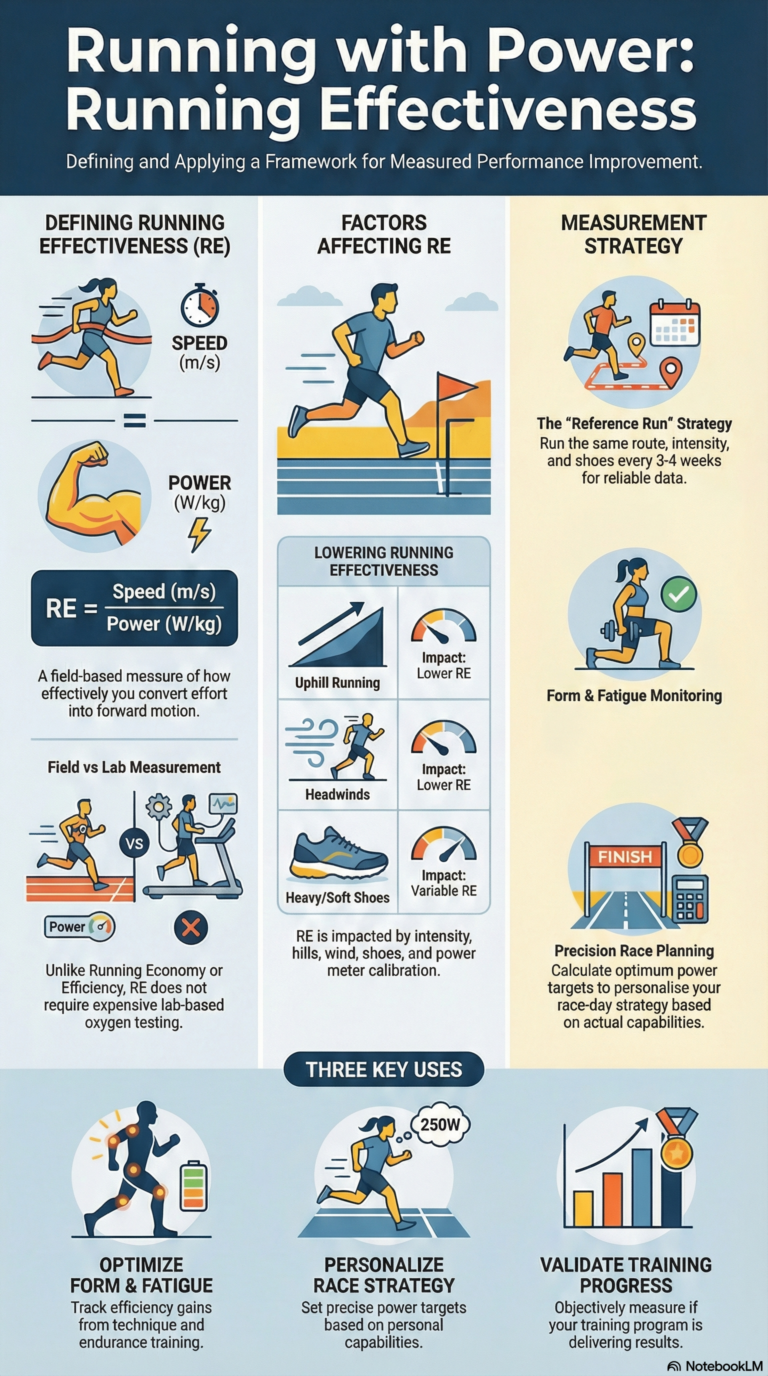
Infographic – Running Effectiveness

𝐑𝐮𝐧𝐧𝐢𝐧𝐠 𝐄𝐟𝐟𝐞𝐜𝐭𝐢𝐯𝐞𝐧𝐞𝐬𝐬 … 𝐚𝐧 𝐢𝐧𝐟𝐨𝐠𝐫𝐚𝐩𝐡𝐢𝐜

Something different this week.

My posts are usually quite short (200-300 words) and deliberately so.

Bitesize, for easy consumption; each a sequence of 5 posts, building throughout the week.

But this week … pictures!

One infographic per day on the core concepts underpinning Running with Power.

𝐖𝐡𝐲 𝐢𝐧𝐟𝐨𝐠𝐫𝐚𝐩𝐡𝐢𝐜𝐬?

I’m curious to see what AI can create from some handwritten posts.

Curious to discover how it presents the concepts.

Curious to see what it includes (and what it leaves out).

Curious to consider what the infographic says about the way I’ve written the content.

𝐄𝐚𝐜𝐡 𝐝𝐚𝐲 𝐭𝐡𝐢𝐬 𝐰𝐞𝐞𝐤

I’ll post an infographic generated by NotebookLM using the phrase “Please generate an infographic using the selected source” … and for days 2 through 5 I add “in the same style as the previous infographic.”

I’ll also include the URL for the source used for the infographic.

And I’d love to hear from you!

What do you think? Does the picture capture the concept? Does it help with understanding? Is it confusing? Could it be improved?

Today’s URL: https://startrunningwithpower.substack.com/p/how-effective-are-you-at-converting

𝑺𝒉𝒐𝒖𝒍𝒅𝒏’𝒕 𝒚𝒐𝒖 𝒃𝒆 𝑹𝒖𝒏𝒏𝒊𝒏𝒈 𝒘𝒊𝒕𝒉 𝑷𝒐𝒘𝒆𝒓?

Questions?
📖 Getting Started

Infographic – Running Effectiveness

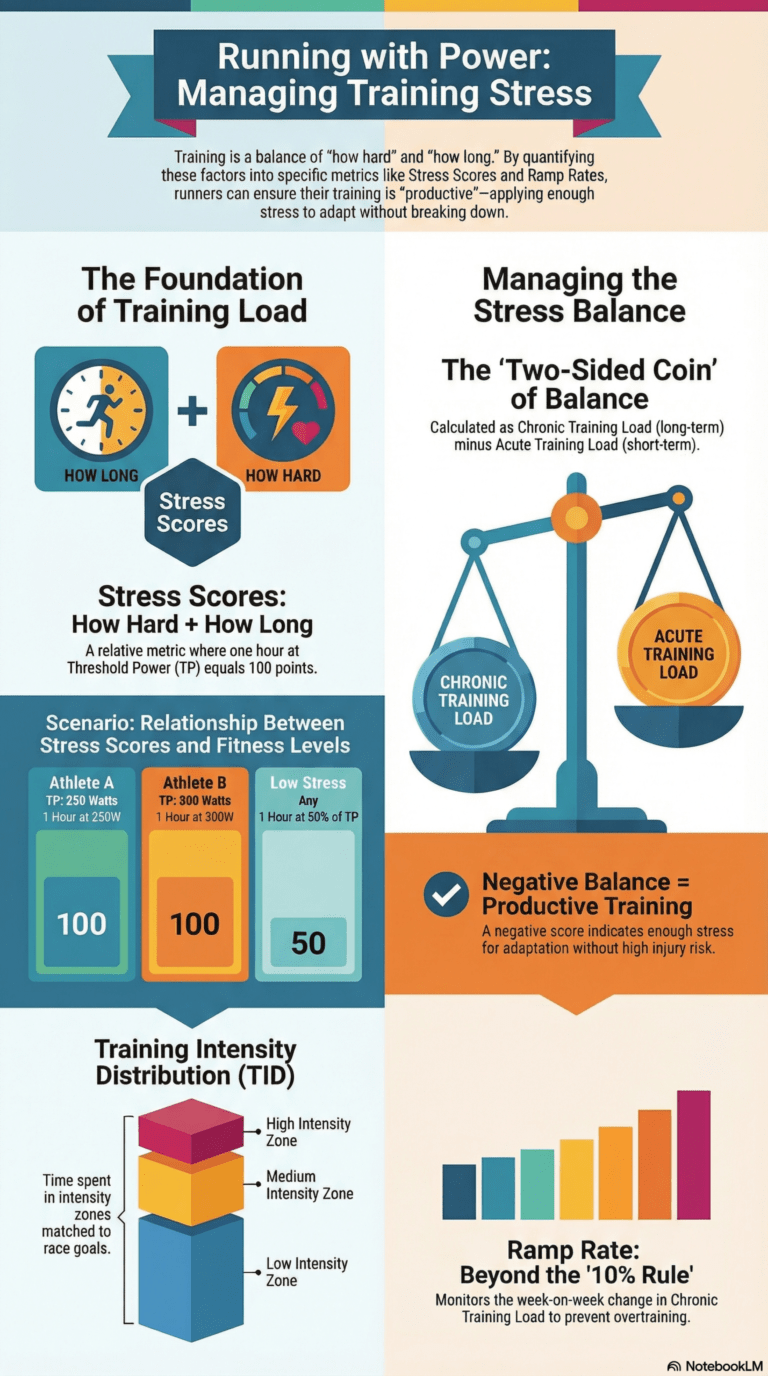
Infographic – Training Stress

Infographic about Training Stress

𝐓𝐫𝐚𝐢𝐧𝐢𝐧𝐠 𝐒𝐭𝐫𝐞𝐬𝐬 … 𝐚𝐧 𝐢𝐧𝐟𝐨𝐠𝐫𝐚𝐩𝐡𝐢𝐜

Something different this week.

My posts are usually quite short (200-300 words) and deliberately so.

Bitesize, for easy consumption; each a sequence of 5 posts, building throughout the week.

But this week … pictures!

One infographic per day on the core concepts underpinning Running with Power.

𝐖𝐡𝐲 𝐢𝐧𝐟𝐨𝐠𝐫𝐚𝐩𝐡𝐢𝐜𝐬?

I’m curious to see what AI can create from some handwritten posts.

Curious to discover how it presents the concepts.

Curious to see what it includes (and what it leaves out).

Curious to consider what the infographic says about the way I’ve written the content.

𝐄𝐚𝐜𝐡 𝐝𝐚𝐲 𝐭𝐡𝐢𝐬 𝐰𝐞𝐞𝐤

I’ll post an infographic generated by NotebookLM using the phrase “Please generate an infographic using the selected source” … and for days 2 through 5 I add “in the same style as the previous infographic.”

I’ll also include the URL for the source used for the infographic.

And I’d love to hear from you!

What do you think? Does the picture capture the concept? Does it help with understanding? Is it confusing? Could it be improved?

Today’s URL: https://startrunningwithpower.substack.com/p/how-can-you-ensure-your-training

𝑺𝒉𝒐𝒖𝒍𝒅𝒏’𝒕 𝒚𝒐𝒖 𝒃𝒆 𝑹𝒖𝒏𝒏𝒊𝒏𝒈 𝒘𝒊𝒕𝒉 𝑷𝒐𝒘𝒆𝒓?

Questions?
📖 Getting Started

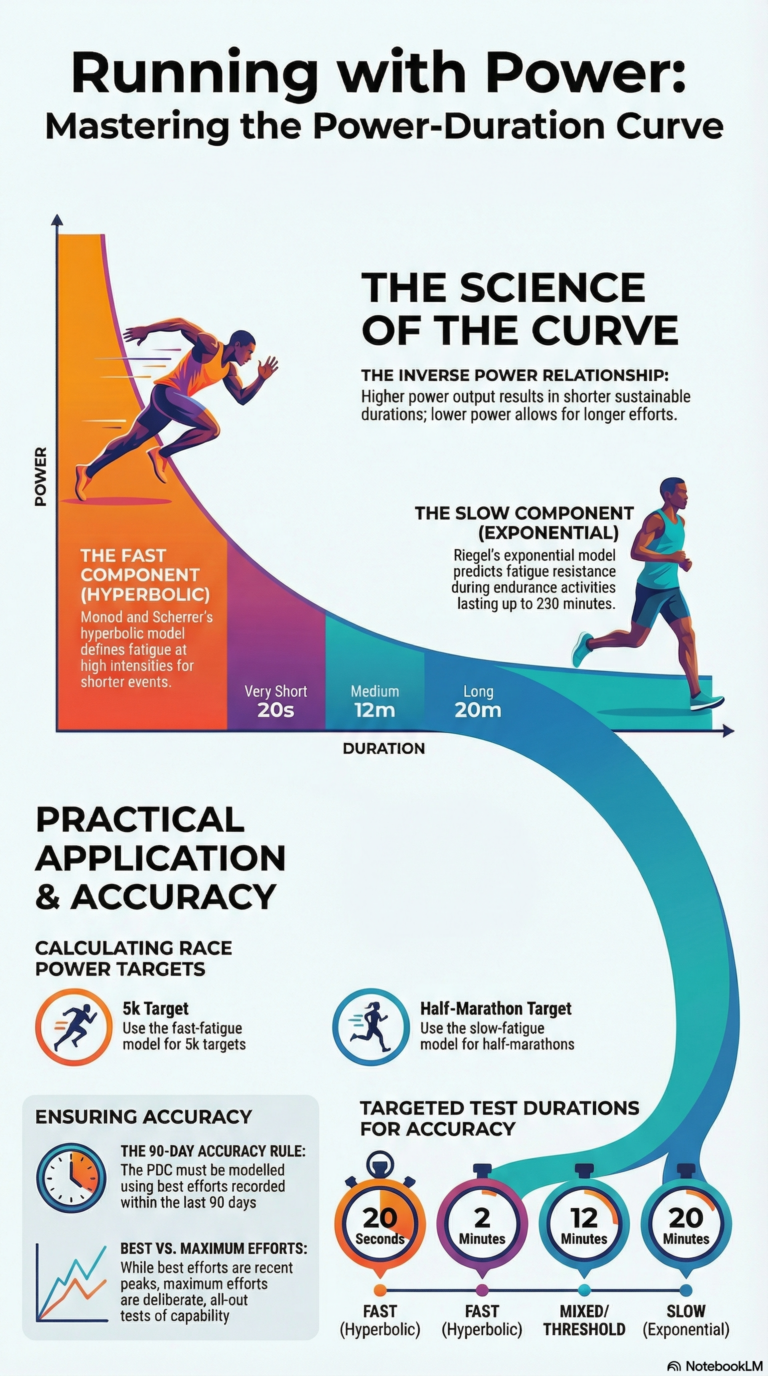
Infographic – Power-Duration Curve

Infographic about your Power-Duration Curve

𝐏𝐨𝐰𝐞𝐫-𝐃𝐮𝐫𝐚𝐭𝐢𝐨𝐧 𝐂𝐮𝐫𝐯𝐞 … 𝐚𝐧 𝐢𝐧𝐟𝐨𝐠𝐫𝐚𝐩𝐡𝐢𝐜

Something different this week.

My posts are usually quite short (200-300 words) and deliberately so.

Bitesize, for easy consumption; each a sequence of 5 posts, building throughout the week.

But this week … pictures!

One infographic per day on the core concepts underpinning Running with Power.

𝐖𝐡𝐲 𝐢𝐧𝐟𝐨𝐠𝐫𝐚𝐩𝐡𝐢𝐜𝐬?

I’m curious to see what AI can create from some handwritten posts.

Curious to discover how it presents the concepts.

Curious to see what it includes (and what it leaves out).

Curious to consider what the infographic says about the way I’ve written the content.

𝐄𝐚𝐜𝐡 𝐝𝐚𝐲 𝐭𝐡𝐢𝐬 𝐰𝐞𝐞𝐤

I’ll post an infographic generated by NotebookLM using the phrase “Please generate an infographic using the selected source” … and for days 2 through 5 I add “in the same style as the previous infographic.”

I’ll also include the URL for the source used for the infographic.

And I’d love to hear from you!

What do you think? Does the picture capture the concept? Does it help with understanding? Is it confusing? Could it be improved?

Today’s URL: https://startrunningwithpower.substack.com/p/want-to-know-your-running-capability

𝑺𝒉𝒐𝒖𝒍𝒅𝒏’𝒕 𝒚𝒐𝒖 𝒃𝒆 𝑹𝒖𝒏𝒏𝒊𝒏𝒈 𝒘𝒊𝒕𝒉 𝑷𝒐𝒘𝒆𝒓?

Questions?
📖 Getting Started

Infographic – Power-Duration Curve

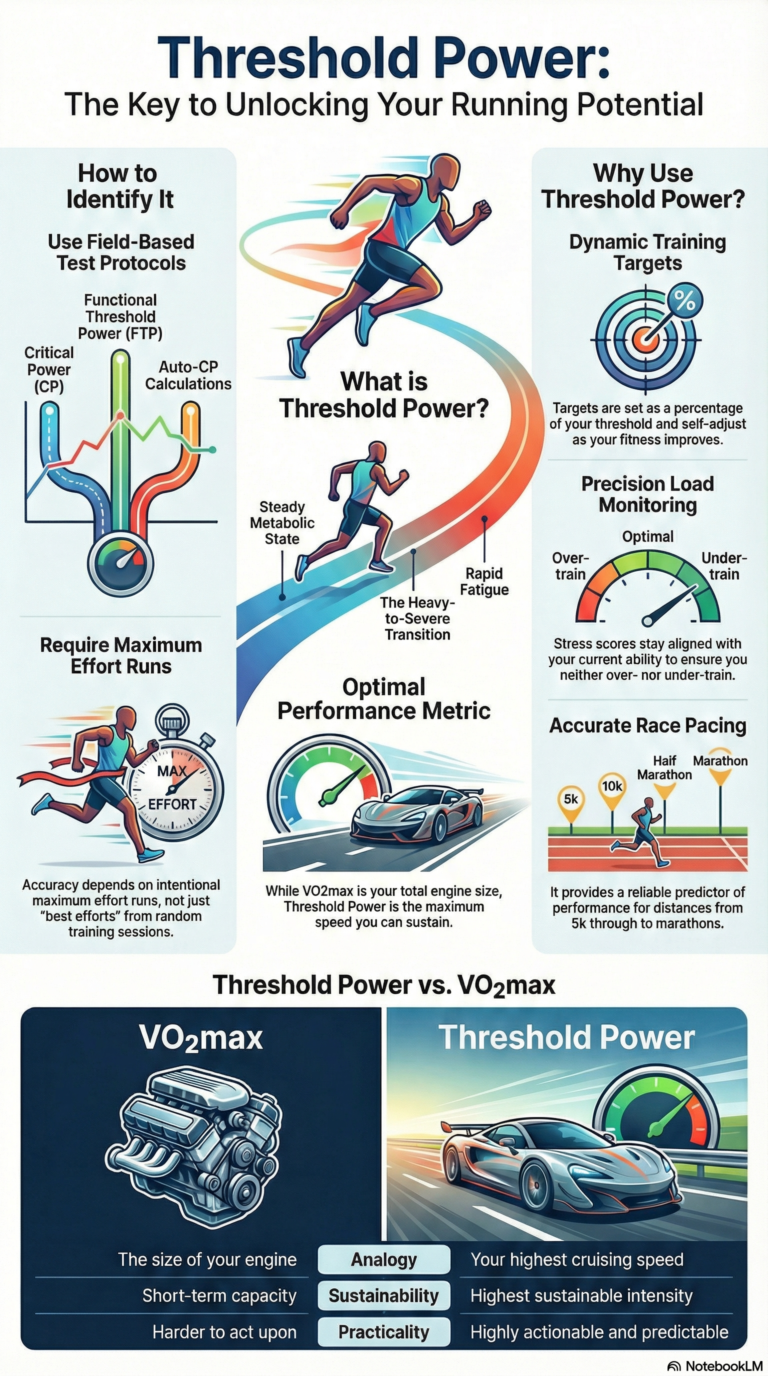
Infographic – Threshold Power

Infographic showing key information about Threshold Power

𝐓𝐡𝐫𝐞𝐬𝐡𝐨𝐥𝐝 𝐏𝐨𝐰𝐞𝐫 … 𝐚𝐧 𝐢𝐧𝐟𝐨𝐠𝐫𝐚𝐩𝐡𝐢𝐜

Something different this week.

My posts are usually quite short (200-300 words) and deliberately so.

Bitesize, for easy consumption; each a sequence of 5 posts, building throughout the week.

But this week … pictures!

One infographic per day on the core concepts underpinning Running with Power.

𝐖𝐡𝐲 𝐢𝐧𝐟𝐨𝐠𝐫𝐚𝐩𝐡𝐢𝐜𝐬?

I’m curious to see what AI can create from some handwritten posts.

Curious to discover how it presents the concepts.

Curious to see what it includes (and what it leaves out).

Curious to consider what the infographic says about the way I’ve written the content.

𝐄𝐚𝐜𝐡 𝐝𝐚𝐲 𝐭𝐡𝐢𝐬 𝐰𝐞𝐞𝐤

I’ll post an infographic generated by NotebookLM using the phrase “Please generate an infographic using the selected source” … and for days 2 through 5 I add “in the same style as the previous infographic.”

I’ll also include the URL for the source used for the infographic.

And I’d love to hear from you!

What do you think? Does the picture capture the concept? Does it help with understanding? Is it confusing? Could it be improved?

Today’s URL: https://startrunningwithpower.substack.com/p/no-need-for-lactate-testing

𝑺𝒉𝒐𝒖𝒍𝒅𝒏’𝒕 𝒚𝒐𝒖 𝒃𝒆 𝑹𝒖𝒏𝒏𝒊𝒏𝒈 𝒘𝒊𝒕𝒉 𝑷𝒐𝒘𝒆𝒓?

Questions?
📖 Getting Started

Infographic – Threshold Power

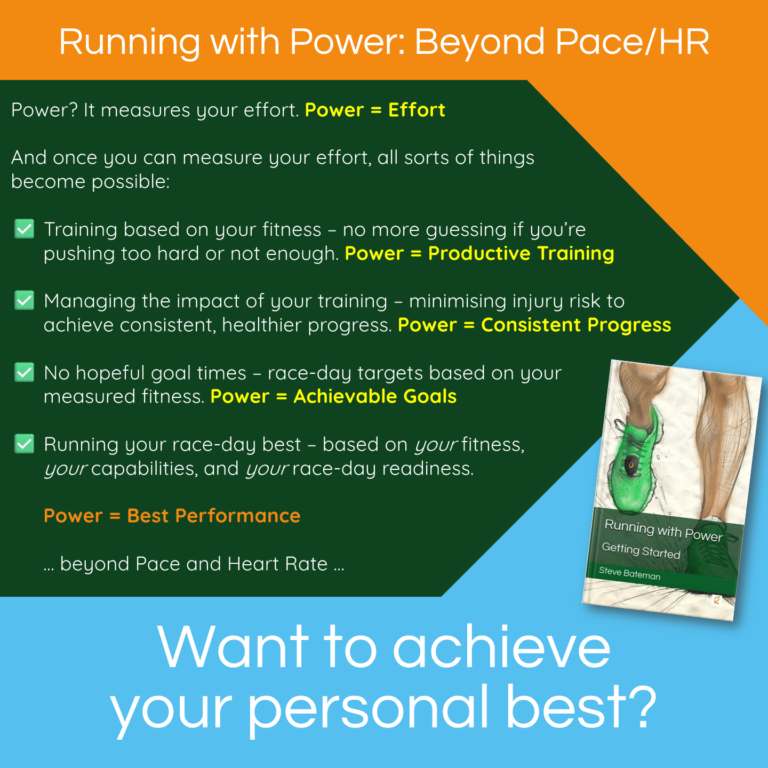
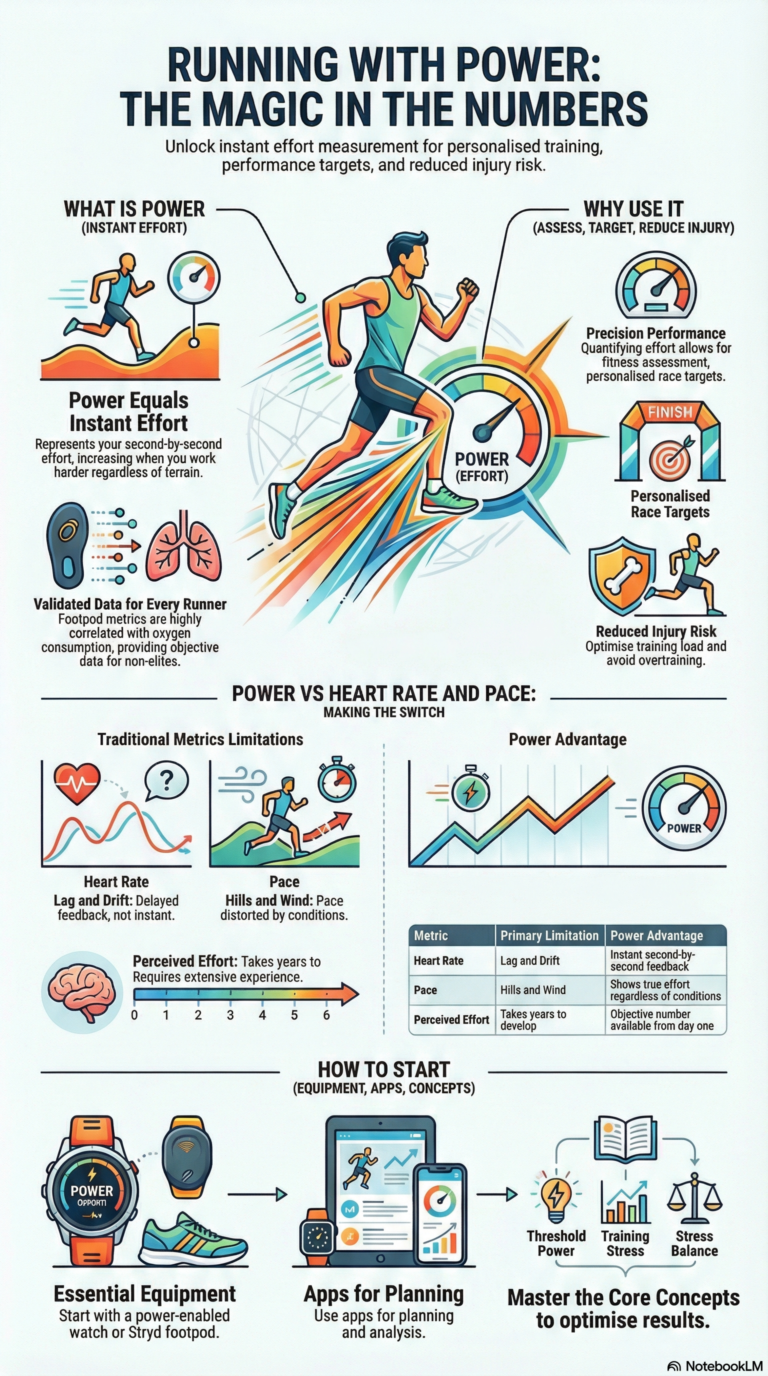
Infographic – Power=Effort

Infographic explaining 'What is Power'

𝐏𝐨𝐰𝐞𝐫=𝐄𝐟𝐟𝐨𝐫𝐭 … 𝐚𝐧 𝐢𝐧𝐟𝐨𝐠𝐫𝐚𝐩𝐡𝐢𝐜

Something different this week.

My posts are usually quite short (200-300 words) and deliberately so.

Bitesize, for easy consumption; each a sequence of 5 posts, building throughout the week.

But this week … pictures!

One infographic per day on the core concepts underpinning Running with Power.

𝐖𝐡𝐲 𝐢𝐧𝐟𝐨𝐠𝐫𝐚𝐩𝐡𝐢𝐜𝐬?

I’m curious to see what AI can create from some handwritten posts.

Curious to discover how it presents the concepts.

Curious to see what it includes (and what it leaves out).

Curious to consider what the infographic says about the way I’ve written the content.

𝐄𝐚𝐜𝐡 𝐝𝐚𝐲 𝐭𝐡𝐢𝐬 𝐰𝐞𝐞𝐤

I’ll post an infographic generated by NotebookLM using the phrase “Please generate an infographic using the selected source” … and for days 2 through 5 I add “in the same style as the previous infographic.”

I’ll also include the URL for the source used for the infographic.

And I’d love to hear from you!

What do you think? Does the picture capture the concept? Does it help with understanding? Is it confusing? Could it be improved?

Today’s URL: https://startrunningwithpower.substack.com/p/what-is-running-with-power

𝑺𝒉𝒐𝒖𝒍𝒅𝒏’𝒕 𝒚𝒐𝒖 𝒃𝒆 𝑹𝒖𝒏𝒏𝒊𝒏𝒈 𝒘𝒊𝒕𝒉 𝑷𝒐𝒘𝒆𝒓?

Questions?
📖 Getting Started

Infographic – Power=Effort

What should I show on my watch?

Hand raised to ask a question

𝐖𝐡𝐚𝐭 𝐬𝐡𝐨𝐮𝐥𝐝 𝐈 𝐬𝐡𝐨𝐰 𝐨𝐧 𝐦𝐲 𝐰𝐚𝐭𝐜𝐡?

This is a common question for runners new to power.

There’s no correct answer – you should set up your watch to show the metrics you want to monitor while running.

But personal experience and Facebook conversations suggest many runners work through something similar to the following.

𝐏𝐨𝐰𝐞𝐫 𝐢𝐬 𝐮𝐧𝐟𝐚𝐦𝐢𝐥𝐢𝐚𝐫

You have power showing, but you also have pace or HR as these are the metrics you’re familiar with, so you can cross-check your intensity.

𝐏𝐨𝐰𝐞𝐫 + 𝐇𝐑 + 𝐏𝐚𝐜𝐞 = 𝐂𝐨𝐧𝐟𝐮𝐬𝐢𝐨𝐧

You find that power doesn’t always match your pace or HR, with the differing metrics changing differently.

It feels confusing.

You decide to focus on power, relegating the others to secondary displays.

𝐏𝐨𝐰𝐞𝐫 + 𝐅𝐨𝐫𝐦 𝐦𝐞𝐭𝐫𝐢𝐜𝐬

You might show power but add metrics like cadence or Ground Contact Time to work on your form.

But you find it’s difficult to maintain targets and work on your form.

𝐋𝐞𝐬𝐬 𝐢𝐬 𝐦𝐨𝐫𝐞

Eventually, you realise that power is simply a way to train your perceived exertion – how hard it feels.

You adjust your watch display to show two metrics (lap power and 3s/10s average power), adding previous lap power when running intervals.

You may even switch to show percentage of Threshold Power, rather than Watts.

The above sequence is not unusual and may even be necessary to become entirely comfortable with Running with Power.

𝑺𝒉𝒐𝒖𝒍𝒅𝒏’𝒕 𝒚𝒐𝒖 𝒃𝒆 𝑹𝒖𝒏𝒏𝒊𝒏𝒈 𝒘𝒊𝒕𝒉 𝑷𝒐𝒘𝒆𝒓?

Questions?
📖 Getting Started

What should I show on my watch?

Max efforts are hard – is there any alternative?

Hand raised to ask a question

𝐌𝐚𝐱 𝐄𝐟𝐟𝐨𝐫𝐭 𝐫𝐮𝐧𝐬 𝐚𝐫𝐞 𝐡𝐚𝐫𝐝 – 𝐢𝐬 𝐭𝐡𝐞𝐫𝐞 𝐚𝐧𝐲 𝐚𝐥𝐭𝐞𝐫𝐧𝐚𝐭𝐢𝐯𝐞?

This is a common experience for runners new to power.

A Maximum Effort run is a run at the maximum (average) power you can maintain for a specific duration.

For example, your 3-minute max is the highest average power you can maintain over a 3-minute run.

𝐖𝐡𝐲 𝐝𝐨 𝐭𝐡𝐞𝐦?

👉🏼 By running max efforts over two or more durations (e.g. 3-minutes and 12-minutes) you can calculate your Threshold Power.

❓ Without max efforts, you won’t truly know what you’re capable of, and your training targets, training load and race/event targets will probably be understated.

𝐈𝐬 𝐭𝐡𝐞𝐫𝐞 𝐚𝐧𝐲 𝐚𝐥𝐭𝐞𝐫𝐧𝐚𝐭𝐢𝐯𝐞?

Yes.

💉 You can pay for lactate testing. But this typically involves a graded exercise test with increasing intensity every few minutes (max efforts in disguise).

🧮 You can estimate your Threshold Power using easy runs, but this method is only recommended until you’re able to complete maximum effort runs.

𝐃𝐨 𝐭𝐡𝐞𝐲 𝐠𝐞𝐭 𝐞𝐚𝐬𝐢𝐞𝐫?

They do … and they don’t.

❌ They don’t because you’re running at the highest average power you can manage – that’s never going to be easy. And it’s typical to start out too fast and fade towards the end, which may mean you didn’t really run to your maximum.

✅ And they do. You get used to how they feel. You get used to starting out a little slower, then pushing it towards the end. And you can use previous max effort results to gauge how hard to run the first part of your upcoming max effort.

And then you realise (in the words of Dr Andrew Coggan) ‘testing is training, too’.

𝑺𝒉𝒐𝒖𝒍𝒅𝒏’𝒕 𝒚𝒐𝒖 𝒃𝒆 𝑹𝒖𝒏𝒏𝒊𝒏𝒈 𝒘𝒊𝒕𝒉 𝑷𝒐𝒘𝒆𝒓?

Questions?
📖 Getting Started

Max efforts are hard – is there any alternative?

How do I set a goal time?

Hand raised to ask a question

How do I set a goal time?

This is a common question that runners new to power ask.

You can aim for a goal time – for example, “finish the half in under 2 hours”.

But there are some good reasons why you shouldn’t.

𝐆𝐨𝐚𝐥 𝐭𝐢𝐦𝐞 𝐛𝐥𝐮𝐞𝐬

Why not set a goal time?
❌ Your goal time may be unrealistic … ‘hopeful’ rather than based on what you can actually achieve.
❌ Your training targets may be too aggressive … based on your hopeful goal time instead of your current fitness.
❌ At the event, you may try to run with a pacing group … but may end up dropping back and becoming disheartened if you find you can’t keep up.

𝐑𝐚𝐜𝐞 𝐏𝐨𝐰𝐞𝐫 𝐏𝐥𝐚𝐧𝐧𝐢𝐧𝐠

Rather than set a goal time, use Race Power Planning, which:
✅ is based on your Threshold Power – your actual fitness … the same metric used to set your training targets.
✅ uses your fatigue resistance and your ability to convert effort into forward motion … both individual to you, and based on completed workouts.
✅ results in a power target you can maintain throughout the event … you can avoid going out too fast and be confident to finish strong.

𝐖𝐡𝐲 𝐢𝐬𝐧’𝐭 𝐞𝐯𝐞𝐫𝐲𝐨𝐧𝐞 𝐝𝐨𝐢𝐧𝐠 𝐭𝐡𝐢𝐬?

Because running to power (and letting your finish time take care of itself) takes some getting used to, even if the result is likely to be your Personal Best on the day.

𝑺𝒉𝒐𝒖𝒍𝒅𝒏’𝒕 𝒚𝒐𝒖 𝒃𝒆 𝑹𝒖𝒏𝒏𝒊𝒏𝒈 𝒘𝒊𝒕𝒉 𝑷𝒐𝒘𝒆𝒓?

Questions?
📖 Getting Started

How can I run faster?

Hand raised to ask a question

𝐇𝐨𝐰 𝐜𝐚𝐧 𝐈 𝐫𝐮𝐧 𝐟𝐚𝐬𝐭𝐞𝐫?

This is a common question that many runners ask, and not just runners using power.

There are three ways that you can run faster:
✅ Improve your fitness. If you’re fitter, you should be able to maintain a higher effort, which should mean a higher pace and a quicker finish time.
✅ Improve your form. If you improve how you run, you should be able to run faster for the same effort, resulting in a quicker finish time.
✅ Improve both. Although it’s much easier to improve your fitness than to improve your form 😊

𝐇𝐨𝐰 𝐜𝐚𝐧 𝐲𝐨𝐮 𝐢𝐦𝐩𝐫𝐨𝐯𝐞 𝐲𝐨𝐮𝐫 𝐟𝐢𝐭𝐧𝐞𝐬𝐬?

By training.

Ideally, using a training plan that includes both running and strength or other supplementary workouts, as well as recovery time.

Strength or other supplementary workouts will improve (or maintain) your whole-body fitness.

Recovery gives your body time to respond to the training – it’s when you become fitter.

You can measure fitness improvements using your Threshold Power.

𝐇𝐨𝐰 𝐜𝐚𝐧 𝐲𝐨𝐮 𝐢𝐦𝐩𝐫𝐨𝐯𝐞 𝐲𝐨𝐮𝐫 𝐟𝐨𝐫𝐦?

Using drills, plyometrics, hill runs and other activities that work on leg spring stiffness.

You might also try specific interventions (under the supervision of a running physio or specialist running coach), but these are much harder to embed.

You can measure form improvements using Running Effectiveness.

Power provides specific metrics you can use to track improvements in fitness and in form.

𝑺𝒉𝒐𝒖𝒍𝒅𝒏’𝒕 𝒚𝒐𝒖 𝒃𝒆 𝑹𝒖𝒏𝒏𝒊𝒏𝒈 𝒘𝒊𝒕𝒉 𝑷𝒐𝒘𝒆𝒓?

Questions?
📖 Getting Started

Is it only about the numbers?

Hand raised to ask a question

𝐈𝐬 𝐢𝐭 𝐨𝐧𝐥𝐲 𝐚𝐛𝐨𝐮𝐭 𝐭𝐡𝐞 𝐧𝐮𝐦𝐛𝐞𝐫𝐬?

This is a common question that runners new to power ask.

It’s not only about the numbers.

Training is more than actions driven by numbers.

When planning, you should consider your training goals, your specifics (age, ability, injury history), supplemental training (strength, mobility, plyometrics, drills) and other exercise activities (cycling, swimming, yoga, pilates).

When executing your plan, you should consider sleep, nutrition, hydration, work and family commitments … anything affecting your training.

Unfortunately, you won’t be able to measure most of these.

𝐍𝐮𝐦𝐛𝐞𝐫𝐬 𝐩𝐫𝐨𝐯𝐢𝐝𝐞 𝐚 𝐟𝐨𝐮𝐧𝐝𝐚𝐭𝐢𝐨𝐧

What can you measure, so that your training is underpinned by things you can quantify?

Power numbers.

They can be used to
✅ plan workouts targeting specific intensity levels and durations
✅ plan and monitor your training load and progression
✅ plan your race-day targets

𝐁𝐮𝐭 … 𝐢𝐭’𝐬 𝐧𝐨𝐭 𝐨𝐧𝐥𝐲 𝐚𝐛𝐨𝐮𝐭 𝐭𝐡𝐞 𝐧𝐮𝐦𝐛𝐞𝐫𝐬

Because power can be used for so much, it’s tempting to think that your power numbers are ‘the truth’.

That if you use them to make every training decision, you’ll get the best result.

But power meters can’t measure everything that’s happening to you while you train.

For that reason, power numbers are a guide.

They’re a very good guide, but they are only a guide, not the truth.

Which means rather than Running 𝘣𝘺 Power, treating your power numbers as the truth and using them to make every decision, you should Run 𝘸𝘪𝘵𝘩 Power, using your power numbers as a guide, complementing and underpinning other considerations.

𝑺𝒉𝒐𝒖𝒍𝒅𝒏’𝒕 𝒚𝒐𝒖 𝒃𝒆 𝑹𝒖𝒏𝒏𝒊𝒏𝒈 𝒘𝒊𝒕𝒉 𝑷𝒐𝒘𝒆𝒓?

Questions?
📖 Getting Started

Is it only about the numbers?