Which other watches offer wrist-based power?

Runners looking at their running watch

𝐖𝐡𝐢𝐜𝐡 𝐨𝐭𝐡𝐞𝐫 𝐰𝐚𝐭𝐜𝐡𝐞𝐬 𝐨𝐟𝐟𝐞𝐫 𝐰𝐫𝐢𝐬𝐭-𝐛𝐚𝐬𝐞𝐝 𝐩𝐨𝐰𝐞𝐫 𝐭𝐨 𝐑𝐮𝐧 𝐰𝐢𝐭𝐡 𝐏𝐨𝐰𝐞𝐫?

All sports watch brands (and the Apple Watch) offer wrist-based power, but it works better with some brands than others (using the Which Watch? criteria).

Unfortunately, I haven’t been able to try all brands to understand what works and what doesn’t.

For the brands I’ve tried, here’s what I’ve found.

𝐂𝐎𝐑𝐎𝐒 𝐰𝐚𝐭𝐜𝐡𝐞𝐬

All COROS watches support wrist-based running power with no additional on-watch apps, but:
❌ you must plan workouts in the companion app, in TrainingPeaks, in Final Surge or in Intervals.icu.
❌ the companion app does not provide power-based metrics – see below.

𝐏𝐨𝐥𝐚𝐫 𝐰𝐚𝐭𝐜𝐡𝐞𝐬

Polar watches will display power while running and record power to workout files, but:
❌ You must plan workouts in the Polar Flow app, or in TrainingPeaks. If you use structured workouts, TrainingPeaks may be the better choice (although you’d need to subscribe to the premium option).
❌ The system does not support structured workouts (although you can build workouts with phases).
❌ the Polar Flow app does not provide power-based metrics – see below.

𝐏𝐨𝐰𝐞𝐫-𝐛𝐚𝐬𝐞𝐝 𝐦𝐞𝐭𝐫𝐢𝐜𝐬

None of the manufacturers provide power-based metrics that would enable you to calculate your threshold, monitor your training, and plan your events and races.

Your app choices are TrainingPeaks/WKO or Intervals.icu.

𝐈𝐟 𝐮𝐬𝐢𝐧𝐠 𝐰𝐫𝐢𝐬𝐭-𝐛𝐚𝐬𝐞𝐝 𝐩𝐨𝐰𝐞𝐫

✅ Ideally: use a Connect IQ 5.0.0 Garmin watch, a COROS watch, or an Apple Watch with the WorkOutDoors app.
✅ Try to avoid: using a Polar watch
✅ I haven’t tried: using a Wahoo or Suunto watch

𝑺𝒉𝒐𝒖𝒍𝒅𝒏’𝒕 𝒚𝒐𝒖 𝒃𝒆 𝑹𝒖𝒏𝒏𝒊𝒏𝒈 𝒘𝒊𝒕𝒉 𝑷𝒐𝒘𝒆𝒓?

Questions?
📖 Getting Started

Which other watches offer wrist-based power?

Which other watches work with a Stryd?

Runners looking at their running watch

𝐖𝐡𝐢𝐜𝐡 𝐨𝐭𝐡𝐞𝐫 𝐰𝐚𝐭𝐜𝐡𝐞𝐬 𝐰𝐨𝐫𝐤 𝐰𝐢𝐭𝐡 𝐚 𝐒𝐭𝐫𝐲𝐝 𝐭𝐨 𝐑𝐮𝐧 𝐰𝐢𝐭𝐡 𝐏𝐨𝐰𝐞𝐫?

Stryd works with all sports watches, but it works better with some than others (using the Which Watch? criteria).

𝐂𝐎𝐑𝐎𝐒 𝐰𝐚𝐭𝐜𝐡𝐞𝐬

✅ COROS watches (except the Pace 1 and kiprun series) meet all the above criteria using native watch functionality.

𝐖𝐚𝐡𝐨𝐨 𝐰𝐚𝐭𝐜𝐡𝐞𝐬

The Elemnt Rival meets all the above criteria using native watch functionality, except:
❌ You must plan workouts in third-party apps like TrainingPeaks or Intervals.icu. You cannot download workouts planned in the Stryd ecosystem to the watch.

𝐒𝐮𝐮𝐧𝐭𝐨 𝐰𝐚𝐭𝐜𝐡𝐞𝐬

Suunto watches will display power while running and record power to workout files for upload to the Stryd ecosystem, but:
❌ You must plan workouts in the Suunto app or in third-party apps like TrainingPeaks or Intervals.icu. You cannot download workouts planned in the Stryd ecosystem to the watch.
❌ Additional Stryd metrics require a manual offline sync (for each completed workout) to transfer them to the Stryd Ecosystem.

𝐏𝐨𝐥𝐚𝐫 𝐰𝐚𝐭𝐜𝐡𝐞𝐬

Polar watches will display power while running and record power to workout files for upload to the Stryd ecosystem, but:
❌ You must plan workouts in the Polar Flow app or in TrainingPeaks. If you use structured workouts, TrainingPeaks may be the better choice (although you’d need to subscribe to the premium option).
❌ The system does not support structured workouts (although you can build workouts with phases).
❌ Additional Stryd metrics require a manual offline sync (for each completed workout) to transfer them to the Stryd Ecosystem.

𝐈𝐟 𝐮𝐬𝐢𝐧𝐠 𝐚 𝐒𝐭𝐫𝐲𝐝 𝐟𝐨𝐨𝐭𝐩𝐨𝐝

✅ Ideally: use an Apple Watch, a Connect IQ 5.0.0 Garmin watch, or a COROS watch
✅ If you must: use a Wahoo watch
✅ Try to avoid: using a Suunto or Polar watch

𝑺𝒉𝒐𝒖𝒍𝒅𝒏’𝒕 𝒚𝒐𝒖 𝒃𝒆 𝑹𝒖𝒏𝒏𝒊𝒏𝒈 𝒘𝒊𝒕𝒉 𝑷𝒐𝒘𝒆𝒓?

Questions?
📖 Getting Started

Which other watches work with a Stryd?

Can you use a Garmin to Run with Power?

Runners looking at their running watch

𝐂𝐚𝐧 𝐲𝐨𝐮 𝐮𝐬𝐞 𝐚 𝐆𝐚𝐫𝐦𝐢𝐧 𝐭𝐨 𝐑𝐮𝐧 𝐰𝐢𝐭𝐡 𝐏𝐨𝐰𝐞𝐫?

Yes, with some caveats based on your power meter and the Which Watch? criteria.

𝐆𝐚𝐫𝐦𝐢𝐧 𝐰𝐢𝐭𝐡 𝐚 𝐒𝐭𝐫𝐲𝐝 𝐟𝐨𝐨𝐭𝐩𝐨𝐝

The Stryd Zones datafield is your best choice – it’s fully compatible with Garmin watches running Connect IQ 5.0.0 or later. Stryd Zones:
⌚ Downloads workouts planned in the Stryd Ecosystem (via Garmin Connect)
⌚ Can show various power numbers while running
⌚ Records power (second-by-second) into your workout file
⌚ Uploads completed runs into the Stryd Ecosystem (via Garmin Connect)
⚡ Supports Structured Workouts
⚡ Provides 3s, 10s, and 30s Power Smoothing
⚡ Provides current and last Lap Averages.

If you have an older watch (running Connect IQ 3.0.0 or later), you’ll need to use the Stryd Workout app (for Garmin) to run Structured Workouts.

𝐆𝐚𝐫𝐦𝐢𝐧 𝐰𝐢𝐭𝐡 𝐖𝐫𝐢𝐬𝐭-𝐛𝐚𝐬𝐞𝐝 𝐏𝐨𝐰𝐞𝐫

The watches listed at Garmin; Running Power Device Requirements in the section ‘Watch Models That Support Native Running Power’ support Wrist-based power, using Garmin’s ‘Run’ app.

Unfortunately, the watches listed in the section ‘Watch Models That Support Running Power With a Connect IQ App‘ (my italics) did not provide repeatable and concurrently valid results when I studied their output.

Garmin’s native running power implementation meets the criteria but note that:
❌ Garmin only offers 10s smoothing. This makes it less useful when running short-duration intervals. Fortunately, it’s possible to use a 3rd-party datafield (like pbRun) to achieve a shorter smoothing interval.
❌ While you can use Garmin Connect to plan your workouts, it does not provide power-based metrics that would enable you to calculate your threshold, monitor your training, and plan your events and races. You’ll need to connect a 3rd-party reviewing app to Garmin Connect to obtain metrics.

𝑺𝒉𝒐𝒖𝒍𝒅𝒏’𝒕 𝒚𝒐𝒖 𝒃𝒆 𝑹𝒖𝒏𝒏𝒊𝒏𝒈 𝒘𝒊𝒕𝒉 𝑷𝒐𝒘𝒆𝒓?

Questions?
📖 Getting Started

Can you use an Apple Watch to Run with Power?

Runners looking at their running watch

𝐂𝐚𝐧 𝐲𝐨𝐮 𝐮𝐬𝐞 𝐚𝐧 𝐀𝐩𝐩𝐥𝐞 𝐖𝐚𝐭𝐜𝐡 𝐭𝐨 𝐑𝐮𝐧 𝐰𝐢𝐭𝐡 𝐏𝐨𝐰𝐞𝐫?

Yes, with some caveats based on your power meter and the Which Watch? criteria.

𝐀𝐩𝐩𝐥𝐞 𝐖𝐚𝐭𝐜𝐡 𝐰𝐢𝐭𝐡 𝐚 𝐒𝐭𝐫𝐲𝐝 𝐟𝐨𝐨𝐭𝐩𝐨𝐝

Stryd’s Workout app is your best choice – it’s fully compatible with the Apple Watch Ultra, SE or series 3 or later. The Stryd Workout app:
⌚ Automatically downloads workouts planned in the Stryd Ecosystem
⌚ Can show various power numbers while running
⌚ Records power (second-by-second) into your workout file
⌚ Automatically uploads completed runs into the Stryd Ecosystem
⚡ Supports Structured Workouts
⚡ Provides 3s, 10s, and 30s Power Smoothing
⚡ Provides current and last Lap Averages.

𝐀𝐩𝐩𝐥𝐞 𝐖𝐚𝐭𝐜𝐡 𝐰𝐢𝐭𝐡 𝐖𝐫𝐢𝐬𝐭-𝐛𝐚𝐬𝐞𝐝 𝐏𝐨𝐰𝐞𝐫

The Apple Workout app isn’t the best choice for Running with Power, as it doesn’t:
❌ record second-by-second data into your workout file
❌ display lap power
❌ offer power smoothing
❌ upload completed workouts into a power-based reviewing app

Instead, I’d recommend the WorkOutDoors app, which:
⌚ Downloads workouts planned in the IOS WorkOutDoors app
⌚ Can show real-time and lap power numbers while running
⌚ Records power (second-by-second) into your workout file
⚡ Supports Structured Workouts

Unfortunately, WorkOutDoors doesn’t:
❌ Automatically upload into a power-based reviewing app
❌ Offer Power Smoothing
❌ Provide last Lap Average

In other words, there isn’t an app that meets all the criteria when using Wrist-based power. But my preference was second-by-second data and lap power – both essential for running and reviewing intervals.

For me, WorkOutDoors was a better fit than the Apple Workout app.

𝑺𝒉𝒐𝒖𝒍𝒅𝒏’𝒕 𝒚𝒐𝒖 𝒃𝒆 𝑹𝒖𝒏𝒏𝒊𝒏𝒈 𝒘𝒊𝒕𝒉 𝑷𝒐𝒘𝒆𝒓?

Questions?
📖 Getting Started

Can you use an Apple Watch?

Which Watch?

Runners looking at their running watch

𝐖𝐡𝐢𝐜𝐡 𝐖𝐚𝐭𝐜𝐡?

To Run with Power, you’ll need equipment.

At a minimum, you’ll need a power meter and a running watch. Or you could combine the two using a watch with wrist-based power.

But which watch should you choose?

Are there any that make Running with Power easier? Not easier to run, just easier to use power when running?

𝐖𝐚𝐭𝐜𝐡 𝐜𝐫𝐢𝐭𝐞𝐫𝐢𝐚

The minimum criteria are:
⌚ Able to download planned runs to your watch with minimal manual effort
⌚ Able to show power while running
⌚ Able to record power (second-by-second) into your workout file
⌚ Able to upload completed runs from your watch with minimal effort

These additional criteria will improve your experience when Running with Power:
Structured Workouts. You can execute workouts with multiple steps and power targets on your watch – rather than having to remember steps/targets or write them on your hand.
Power Smoothing. The power numbers can be smoothed by averaging real-time power values over 3 or 5 seconds – replacing ‘spiky’ power numbers and reducing above/below target alerts.
Lap Averages. You can display the average power for the current lap on-screen – to monitor whether you’re meeting workout power targets.

𝐖𝐚𝐭𝐜𝐡 + 𝐏𝐨𝐰𝐞𝐫 𝐦𝐞𝐭𝐞𝐫

The next few posts will assess watches using the above criteria, finishing with a summary from the perspective of choice of power meter.

𝑺𝒉𝒐𝒖𝒍𝒅𝒏’𝒕 𝒚𝒐𝒖 𝒃𝒆 𝑹𝒖𝒏𝒏𝒊𝒏𝒈 𝒘𝒊𝒕𝒉 𝑷𝒐𝒘𝒆𝒓?

Questions?
📖 Getting Started

Which Watch?

Getting Started – Next Steps

Man with pen researching a book

𝐆𝐞𝐭𝐭𝐢𝐧𝐠 𝐒𝐭𝐚𝐫𝐭𝐞𝐝 – 𝐍𝐞𝐱𝐭 𝐒𝐭𝐞𝐩𝐬

I’ve written a book to help runners get started with Running with Power.

And I wrote it with the help of a testing team, who made it into the book they’d be happy to recommend to their friends who were curious about power.

But there are still thousands of runners who don’t know about power, or don’t know how to get started.

And the difficult thing is, there’s no easy way to reach them …

So how can we ‘spread the word’?

𝐖𝐡𝐚𝐭’𝐬 𝐚𝐥𝐫𝐞𝐚𝐝𝐲 𝐛𝐞𝐢𝐧𝐠 𝐝𝐨𝐧𝐞?

There are some great Facebook groups where runners can learn more about power, share their stories (and challenges), and ask for advice – and these continue to grow:
Palladino Power Project
Stryd Community
from1runner2another

I’ve started blogging on https://f1r2a.com/blog/ – daily posts, 5 per week, on Running with Power topics. I leverage the posts:
✅ as a daily feed on the Facebook page ‘Running with Power – Getting Started
✅ to post twice a week (with daily notes) on Substack

And there are lots of us who contribute to online communities where power is occasionally the topic, sharing our successes using power, and working to correct misconceptions and misunderstandings.

𝐈𝐬𝐧’𝐭 𝐭𝐡𝐢𝐬 𝐣𝐮𝐬𝐭 ‘𝐧𝐨𝐢𝐬𝐞’?

You could see it that way.

Or you could see it as ‘feeding the algorithm’. I’ve already seen ChatGPT linking to my content – alongside content from Stryd and other reputable sources for running power information.

𝐖𝐡𝐚𝐭 𝐜𝐚𝐧 𝐲𝐨𝐮 𝐝𝐨?

⚡ Tell your fellow runners
⚡ Share your successes
⚡ Point runners who are curious to the sources above

Running with Power is the most effective, and yet the most underutilised way to train.

Let’s change that.

𝑺𝒉𝒐𝒖𝒍𝒅𝒏’𝒕 𝒚𝒐𝒖 𝒃𝒆 𝑹𝒖𝒏𝒏𝒊𝒏𝒈 𝒘𝒊𝒕𝒉 𝑷𝒐𝒘𝒆𝒓?

Questions?
📖 Getting Started

Getting Started – What makes this book different?

Man with pen researching a book

𝐆𝐞𝐭𝐭𝐢𝐧𝐠 𝐒𝐭𝐚𝐫𝐭𝐞𝐝 – 𝐖𝐡𝐚𝐭 𝐦𝐚𝐤𝐞𝐬 𝐭𝐡𝐢𝐬 𝐛𝐨𝐨𝐤 𝐝𝐢𝐟𝐟𝐞𝐫𝐞𝐧𝐭?

I’ve written three books that cover running with power.

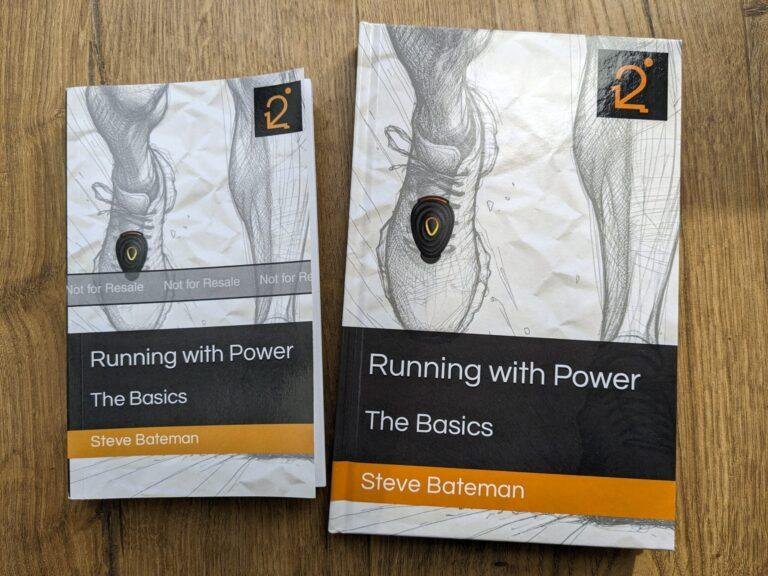
  1. The Basics. A reference for the world of running with power, and heavily focused on power concepts and metrics. The book covers equipment and apps, but not from the perspective of getting started.
  2. Why would you? This book explains why you might use power, as well as its differences and potential disadvantages. It’s for runners who are deciding whether to try using power.
  3. Getting Started. Written specifically for runners who’ve decided to try using power, this is a hands-on guide that walks you through the things you need to begin your journey.

𝐖𝐡𝐚𝐭 𝐦𝐚𝐤𝐞𝐬 ‘𝐆𝐞𝐭𝐭𝐢𝐧𝐠 𝐒𝐭𝐚𝐫𝐭𝐞𝐝’ 𝐝𝐢𝐟𝐟𝐞𝐫𝐞𝐧𝐭?

The key differences:
✅ It covers the Stryd footpod and wrist-based power – wrist-based power is a recent development, and one that may be more budget-friendly for many runners.
✅ A heavy focus on choosing equipment & apps – so that you can make the right choices from the start, avoiding expensive or frustrating mistakes.
✅ Coverage of five fundamental power concepts – so that you have a solid foundation on which to continue building your knowledge and use of power, without getting stuck in too much detail or nuance. And the activities help translate the learning into practice.

… finally, with my third book, there are some things I’ve learned from the previous two that make this book more accessible to readers.

𝑺𝒉𝒐𝒖𝒍𝒅𝒏’𝒕 𝒚𝒐𝒖 𝒃𝒆 𝑹𝒖𝒏𝒏𝒊𝒏𝒈 𝒘𝒊𝒕𝒉 𝑷𝒐𝒘𝒆𝒓?

Questions?
📖 Getting Started

What makes this book different?

Getting Started – Team contributions

Man with pen researching a book

𝐆𝐞𝐭𝐭𝐢𝐧𝐠 𝐒𝐭𝐚𝐫𝐭𝐞𝐝 – 𝐓𝐞𝐚𝐦 𝐜𝐨𝐧𝐭𝐫𝐢𝐛𝐮𝐭𝐢𝐨𝐧𝐬

The book wouldn’t be the book it is without contributions and feedback from the testing team – some major, some less so.

𝐂𝐡𝐚𝐧𝐠𝐞𝐬 𝐛𝐚𝐬𝐞𝐝 𝐨𝐧 𝐟𝐞𝐞𝐝𝐛𝐚𝐜𝐤 𝐟𝐫𝐨𝐦 𝐭𝐡𝐞 𝐭𝐞𝐬𝐭𝐢𝐧𝐠 𝐭𝐞𝐚𝐦

Here are some major changes:
👏🏼 I re-wrote Chapter 10 ‘Power-Duration’ from the point of view of fatigue, which makes much more sense than the previous explanation.
👏🏼 Added Chapter 6 ‘Example combinations’ to show equipment and app combinations (with diagrams) proven to work well together.
👏🏼 Moved Part 3 ‘Setups and Configs’ and some of Part 1 online, as power equipment & apps are still developing rapidly.

And some not so major, but just as important:
👏🏼 Added runner ages (to the nearest decade) to the runner stories – power works no matter your age
👏🏼 Added ‘key takeaway’ items throughout
👏🏼 Removed ‘try it yourself’ phrase when referring to activities
👏🏼 Added emphasis on why it’s critical to include enough recovery (‘magic time’) in your training schedule

𝐑𝐞𝐟𝐥𝐞𝐜𝐭𝐢𝐨𝐧𝐬 𝐨𝐧 𝐢𝐧𝐯𝐨𝐥𝐯𝐢𝐧𝐠 𝐚 𝐭𝐞𝐬𝐭𝐢𝐧𝐠 𝐭𝐞𝐚𝐦

I’m so glad I worked with a testing team. The team acted as editors and as an early book audience, feeding back where things weren’t as clear as they could be, especially for readers with English as a second language.

I’m indebted to my testing team – and would use the same approach for any future ‘practical’ books!

𝑺𝒉𝒐𝒖𝒍𝒅𝒏’𝒕 𝒚𝒐𝒖 𝒃𝒆 𝑹𝒖𝒏𝒏𝒊𝒏𝒈 𝒘𝒊𝒕𝒉 𝑷𝒐𝒘𝒆𝒓?

Questions?
📖 Getting Started

Getting Started – The testing team

Man with pen researching a book

𝐆𝐞𝐭𝐭𝐢𝐧𝐠 𝐒𝐭𝐚𝐫𝐭𝐞𝐝 – 𝐓𝐡𝐞 𝐭𝐞𝐬𝐭𝐢𝐧𝐠 𝐭𝐞𝐚𝐦

With the goal and structure in place, I realised I was going to need help, for a few different reasons:
🔸 I’ve been using power since 2018, but the audience would be new to power
🔸 I run road races; trail runners and track athletes can also use power
🔸 I use a Garmin with a Stryd – what about wrist-based power or other watches?
🔸 I wanted a good mix of runners and coaches, watches, and experience

𝐓𝐡𝐞 𝐭𝐞𝐚𝐦

I asked for volunteers, with the promise of a copy of the book for those able to contribute.

The response was fantastic, 35 people volunteering. After video-calling 20 of the volunteers, 13 made it onto the testing team.

𝐃𝐞𝐦𝐨𝐠𝐫𝐚𝐩𝐡𝐢𝐜𝐬

The testing team included:
✅ 2 people who’d never used power before
✅ 6 Garmin users, 4 Apple Watch, 1 each using COROS, Suunto and Polar
✅ 2 using wrist-based power
✅ 7 road-runners, 1 track, 2 triathlon, 3 trail/triathlon
✅ 6 coaches

I couldn’t have hoped for a better cross-section 😊

𝐅𝐢𝐫𝐬𝐭 𝐨𝐫𝐝𝐞𝐫 𝐨𝐟 𝐛𝐮𝐬𝐢𝐧𝐞𝐬𝐬

The video call outlined the book and book goals, coverage of the five fundamental power concepts, and 22 ideas for activities that runners could use to try out power.

Using an outline of each activity, the testing team tried them out and made suggestions … eventually we merged and rearranged the original 22 ideas, landing on 13, and moved on to the rest of the book.

𝑺𝒉𝒐𝒖𝒍𝒅𝒏’𝒕 𝒚𝒐𝒖 𝒃𝒆 𝑹𝒖𝒏𝒏𝒊𝒏𝒈 𝒘𝒊𝒕𝒉 𝑷𝒐𝒘𝒆𝒓?

Questions?
📖 Getting Started

Getting Started – The story behind the book

Man with pen researching a book

𝐆𝐞𝐭𝐭𝐢𝐧𝐠 𝐒𝐭𝐚𝐫𝐭𝐞𝐝 – 𝐭𝐡𝐞 𝐬𝐭𝐨𝐫𝐲 𝐛𝐞𝐡𝐢𝐧𝐝 𝐭𝐡𝐞 𝐛𝐨𝐨𝐤

‘Getting Started’ is my third book. It’s the book I most enjoyed writing.

After ‘The Basics’ and ‘Why would you?’ I thought I was done.

But then I started to explore wrist-based power and realised that runners who wanted to try Running with Power using the power meter built into their running watch had little or no guidance about how to do that.

𝐁𝐨𝐨𝐤 𝐠𝐨𝐚𝐥𝐬

I was aiming to meet the following goals:
✅ No assumption of a particular power meter
✅ Lots of advice on making the right equipment and app choices
✅ Just enough conceptual content to provide a solid foundation
✅ A learning by doing approach to support the concepts and to start using power
✅ Minimal overlap with the existing books

𝐁𝐨𝐨𝐤 𝐨𝐮𝐭𝐥𝐢𝐧𝐞

With the above goals, a three-part structure seemed to be the best approach:

  1. Equipment & Apps. Information about options, and how to combine those to end up with something that worked.
  2. Fundamental Concepts. The key concepts underlying Running with Power, to provide a solid foundation for future learning and fine-tuning. This part would include activities that runners could use to try out the use of power.
  3. Setups & Configs. Because Running with Power is still relatively new, things don’t always work as smoothly as they ought to. This part would provide detailed setup and configuration information to make it easier to arrive at a working setup.

𝐍𝐞𝐱𝐭 𝐬𝐭𝐞𝐩𝐬

With the goal and structure in place, I realised I was going to need help …

𝑺𝒉𝒐𝒖𝒍𝒅𝒏’𝒕 𝒚𝒐𝒖 𝒃𝒆 𝑹𝒖𝒏𝒏𝒊𝒏𝒈 𝒘𝒊𝒕𝒉 𝑷𝒐𝒘𝒆𝒓?

Questions?
📖 Getting Started

The story behind the book